Introduction: What is Omnichannel and Why is it Critical in 2025
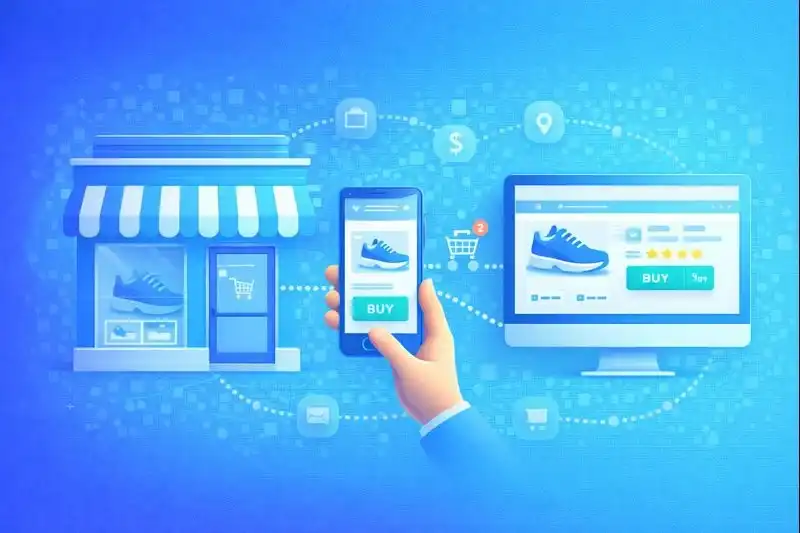
Omnichannel is a sales strategy where all customer touchpoints work as a unified system. Online store, physical retail locations, mobile apps, social media, call center, marketplaces – everything merges into one seamless customer journey.
In 2025, omnichannel has stopped being a competitive advantage and become a basic market requirement. According to Harvard Business Review, omnichannel customers spend on average 30% more, have higher purchase frequency, and demonstrate significantly better loyalty. McKinsey and Salesforce confirm: companies with omnichannel strategy show higher retention and faster Customer Lifetime Value growth.
For retailers, omnichannel means not just "having a website and a store," but ensuring a unified experience: the customer sees a product online, checks availability in store, picks up the order offline, returns through another channel, and continues interaction without losing context.
Omnichannel vs Multichannel
Key Differences
Multichannel is having multiple sales channels that work in parallel. Omnichannel is their complete integration.
| Criteria | Multichannel | Omnichannel |
|---|---|---|
| Customer data | Fragmented | Unified profile |
| Inventory | Separate by channel | Real-time synchronization |
| Loyalty | Local | Unified program |
| Customer experience | Fragmented | Seamless |
The multichannel model causes inventory conflicts, customer duplication, and analytics loss. The omnichannel model eliminates these problems.
Core Components of Omnichannel Strategy
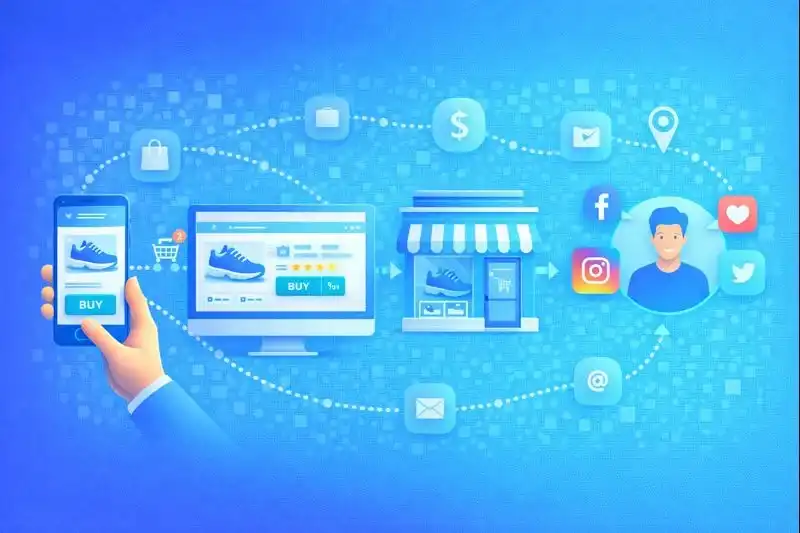
Omnichannel strategy is based on several fundamental components:
- unified product and inventory database
- unified customer profile
- integrated sales channels
- centralized analytics
- coordinated logistics
The scenario looks like this: customer browses product online, sees availability in store, comes to try it on, buys through the app, and receives a personalized offer via email.
Inventory Synchronization and Real-Time Inventory Management
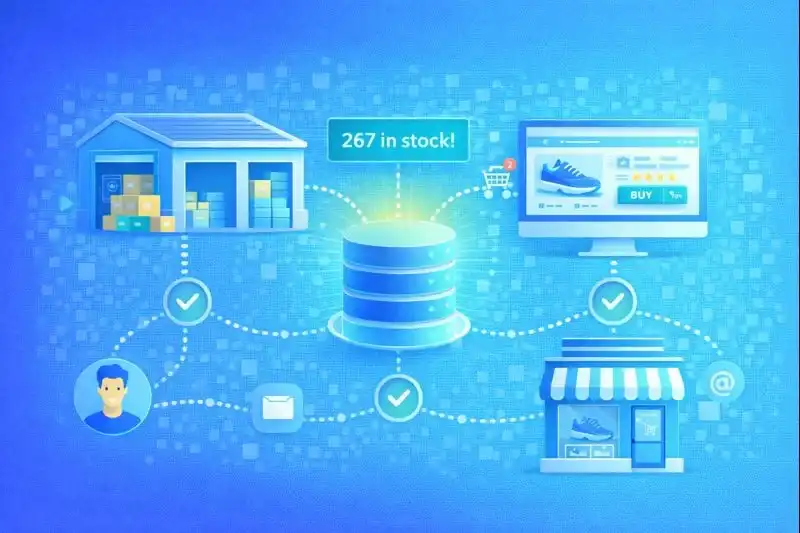
Inventory synchronization is the foundation of omnichannel. Without it, BOPIS, omnichannel returns, and correct analytics are impossible.
Implementation requires:
- centralized inventory service
- API or webhooks between systems
- clear reservation rules
Detailed approaches to inventory management are described in Inventory Management.
Click & Collect (BOPIS)
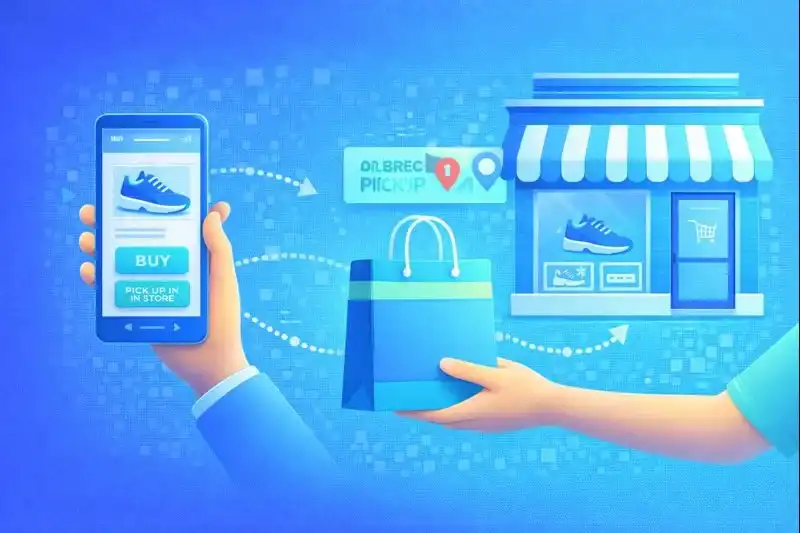
Click & Collect or Buy Online, Pick Up In Store is one of the most effective omnichannel scenarios. According to McKinsey, over 40% of customers who come to pick up an online order in store make an additional purchase.
Key requirements:
- up-to-date inventory
- fast reservation
- order preparation SLA
- trained staff
BOPIS reduces delivery costs and increases AOV.
Unified CRM and 360° Customer Profile
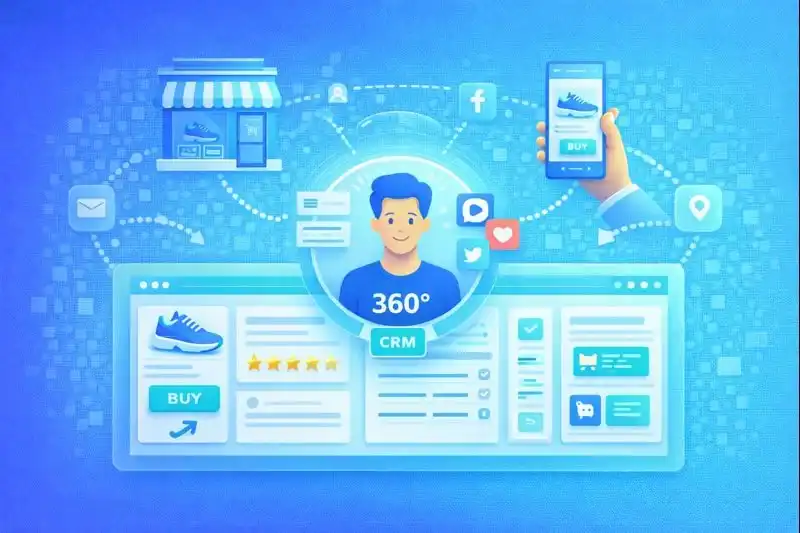
Unified CRM combines online and offline purchase history, support requests, and loyalty program participation. This allows building personalized communication scenarios through email marketing for e-commerce.
360° profile enables:
- accurate recommendations
- better segmentation
- LTV growth
POS System Integration with E-commerce Platform
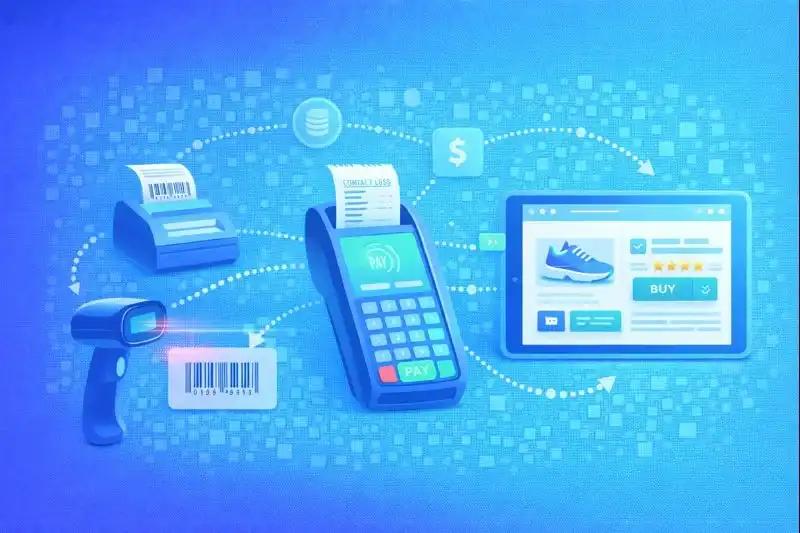
POS integration allows:
- synchronizing sales
- seeing inventory across stores
- unifying reporting
Popular solutions: Shopify POS, Square, local POS with API. Webhooks support and real-time data exchange are important.
Omnichannel Returns and Exchanges
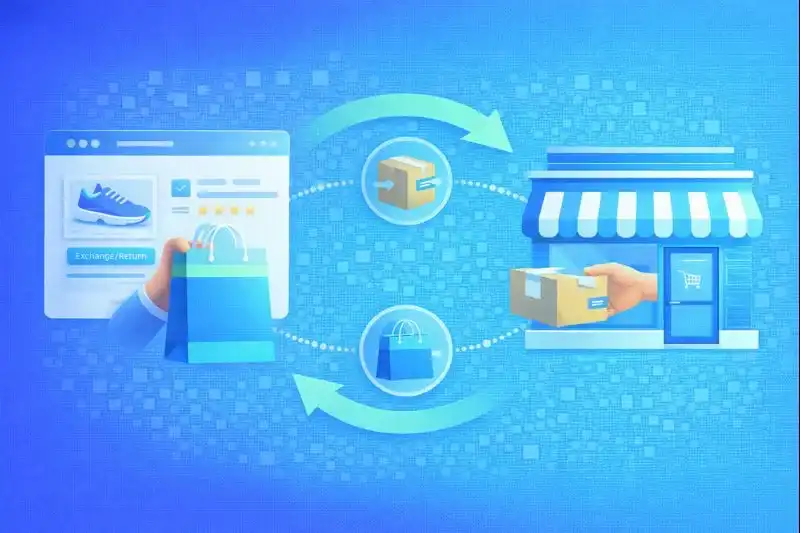
Customers expect complete freedom: bought online – returned in store. Omnichannel returns reduce frustration and directly impact loyalty. More details in the material about returns and logistics delivery and logistics.
Loyalty Program Across All Channels
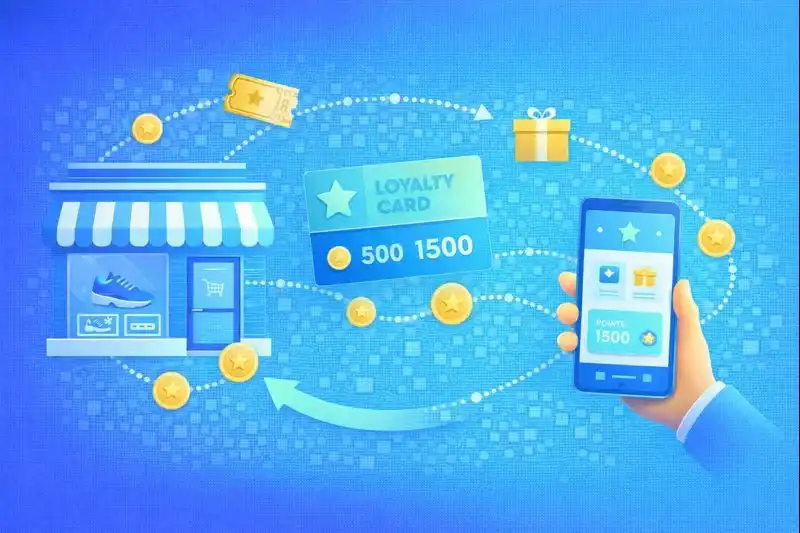
A unified loyalty program allows accumulating and spending bonuses regardless of channel. This directly impacts Customer Lifetime Value.
Analytics and Cross-Channel Sales Attribution
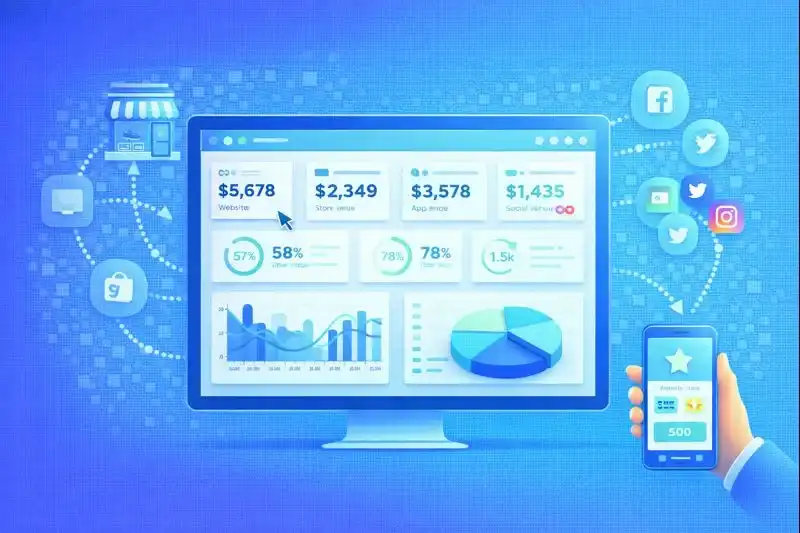
Omnichannel analytics answers questions:
- which channel influenced the purchase
- how customers migrate between channels
- where conversion is lost
Key metrics are described in KPI metrics for e-commerce.
Step-by-Step Omnichannel Strategy Implementation
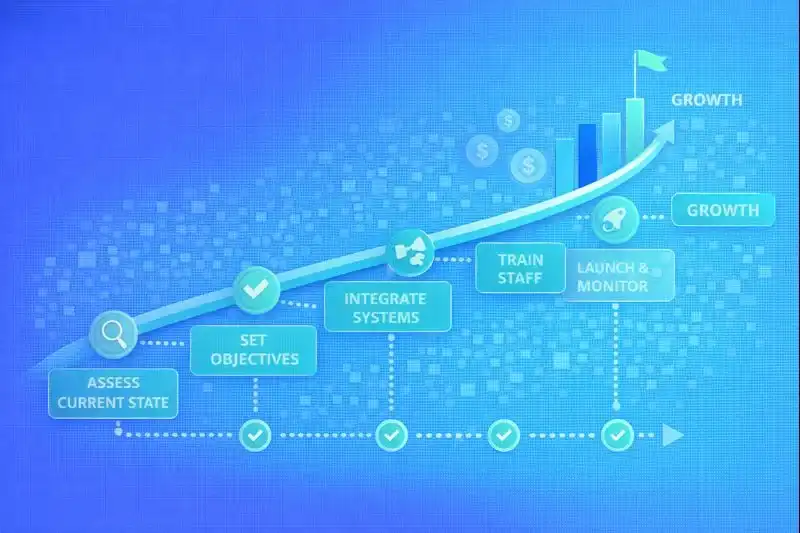
- Channel audit
- Technology stack selection
- Inventory integration
- CRM and loyalty
- Team training
- Launch and optimization
Readiness Checklist
- Unified product catalog
- Inventory synchronization
- CRM integrated
- POS connected
- Analytics configured
FAQ
Does small business need omnichannel?
Yes, even one store + website benefit from it.
How much does implementation cost?
Depends on scale and stack.
Can you start gradually?
Yes, with inventory and CRM.
Conclusion
Omnichannel is a growth strategy, not a one-time project. It increases LTV, AOV, retention and creates competitive advantage. LetsCommerce provides tools for integrating online and offline channels, data synchronization, and scaling omnichannel sales.
Related Articles

Ready to start selling?
Launch your online store today with LetsCommerce.