Introduction — Why Influencer Marketing Works for E-commerce in 2025
Influencer marketing has evolved from an experimental channel to a full-fledged sales tool for e-commerce. In 2025, trust in traditional advertising continues to decline, while recommendations from real people remain one of the strongest purchase triggers. According to Influencer Marketing Hub, the average ROI of influencer marketing exceeds display advertising ROI by 2-3 times, and for e-commerce brands, it directly correlates with the quality of blogger selection and proper analytics.
For online stores, influencers are not just about reach. They provide social proof, reusable content, and traffic with high potential for repeat purchases and Customer Lifetime Value growth.

Types of Influencers: Nano, Micro, Macro, Mega
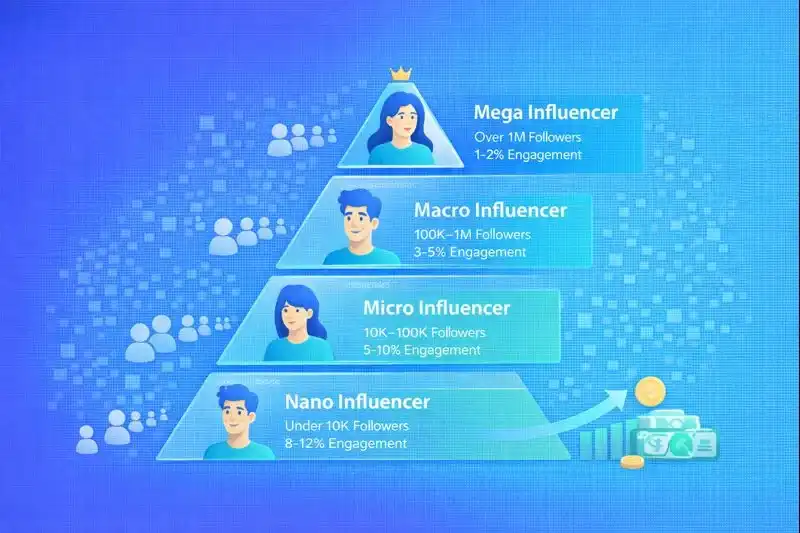
| Type | Follower Count | Typical Rates | When to Use |
|---|---|---|---|
| Nano | 1-10K | $50-200 | Niche products, testing |
| Micro | 10-100K | $200-1000 | Sales, UGC |
| Macro | 100-500K | $1000-5000 | Scaling |
| Mega | 500K+ | $5000+ | Brand awareness |
For e-commerce, nano and micro influencers typically show the best ROI balance – their audience is more engaged and trusts recommendations.
How to Find Relevant Bloggers for Your Niche
Finding influencers should start with analyzing your own audience. Who is your customer, which social networks do they spend time on, who do they follow.
Practical approaches:
- competitor analysis
- hashtag search
- customer recommendations
- platforms like HypeAuditor
Blogger Selection Criteria
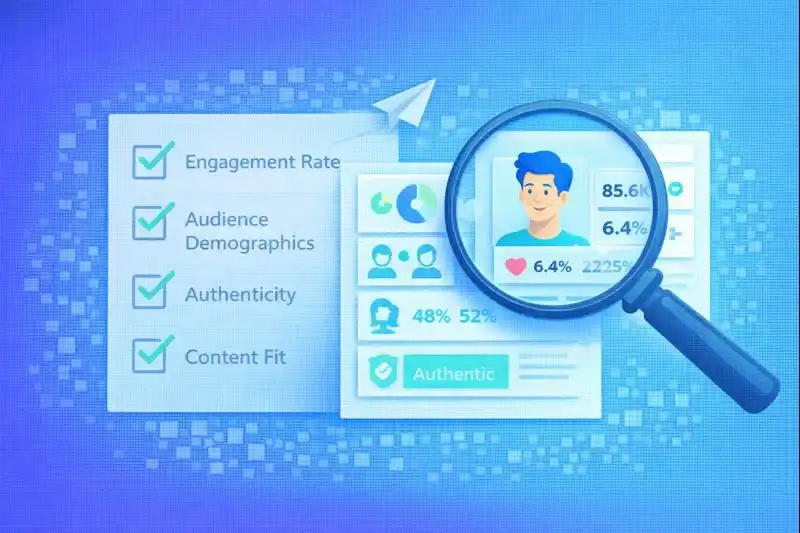
Engagement Rate
Engagement Rate = (Likes + Comments) / Follower Count × 100%
It's important to distinguish between reach and engagement. High reach without engagement doesn't drive sales.
Audience
- geography
- age
- interests
Authenticity
Red flags:
- sudden follower spikes
- repetitive comments
- irrelevant advertising
Collaboration Formats
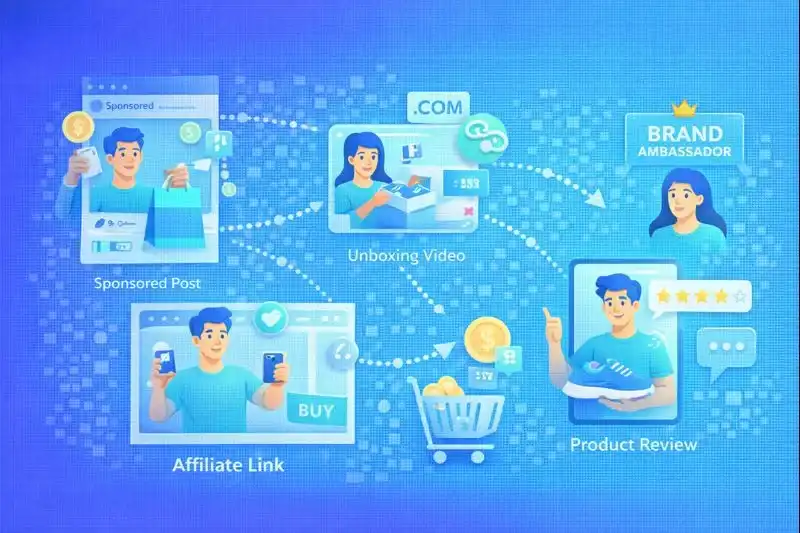
- product reviews
- unboxing
- stories with CTA
- affiliate models
- ambassadorship
Content from influencers scales well as UGC content.
How to Create a Brief and Contract

Brief Template
- brand description
- product
- key message
- content format
- deadlines
- KPIs
The contract should specify ad disclosure requirements and content rights.
Budgeting
Average rates vary by market and influencer tier. It's recommended to allocate a test budget and scale only effective collaborations.
Creating Content That Sells
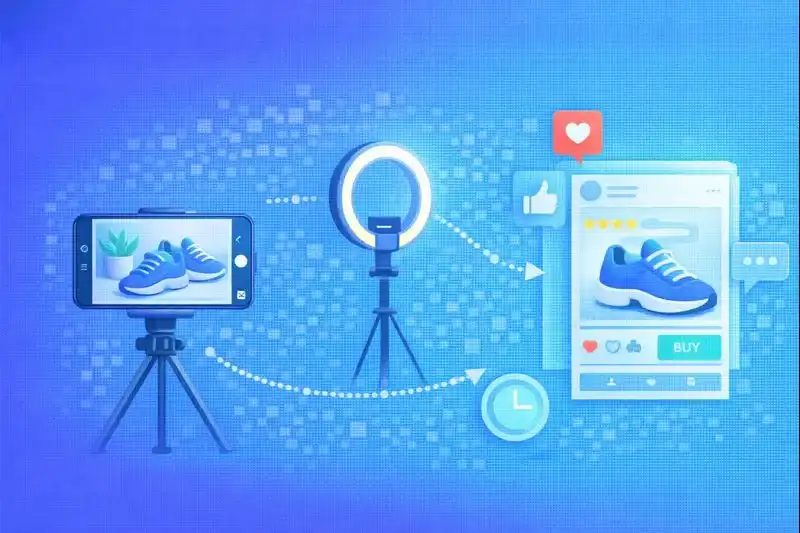
What works:
- personal experience
- usage demonstration
- honest pros and cons
Content is used in advertising, email, and remarketing.
Tracking Results
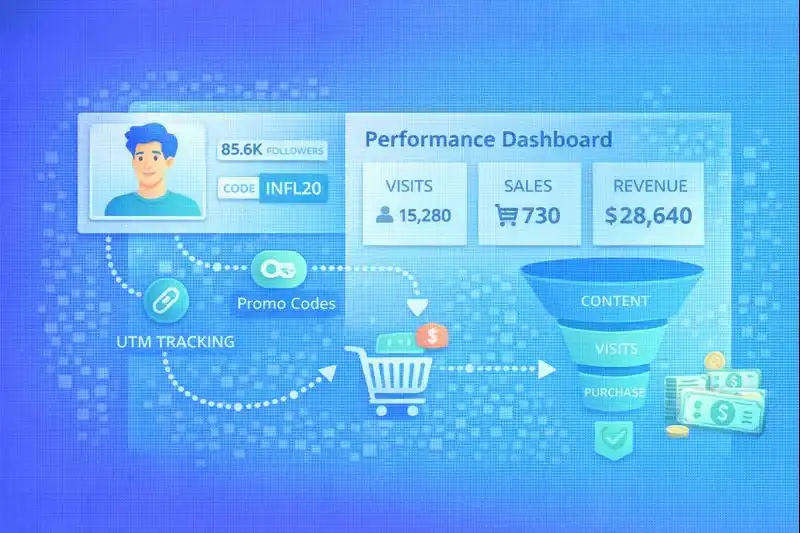
Tools:
- UTM tags
- promo codes
- post-purchase surveys
Remarketing allows you to return traffic from bloggers, more details in remarketing and retargeting.
ROI Calculation
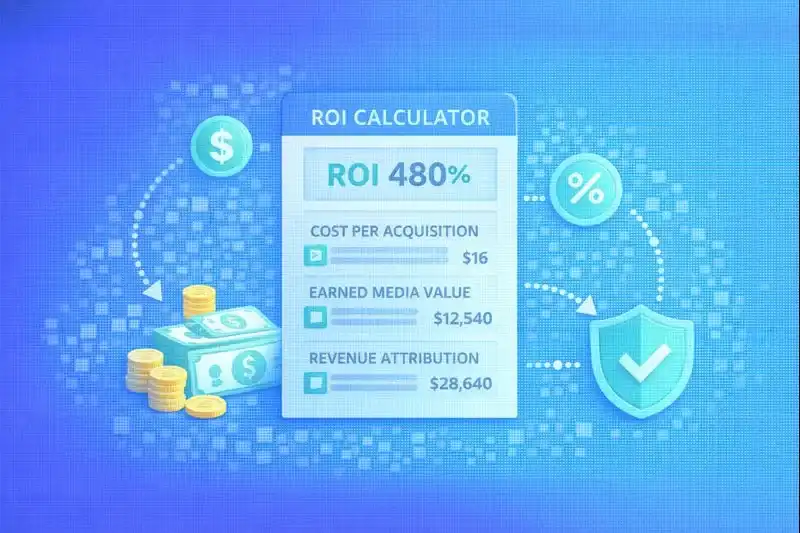
ROI = (Revenue - Cost) / Cost × 100%
ROI assessment should consider not only first purchases but also repeat ones – through the lens of Customer Lifetime Value.
Platforms
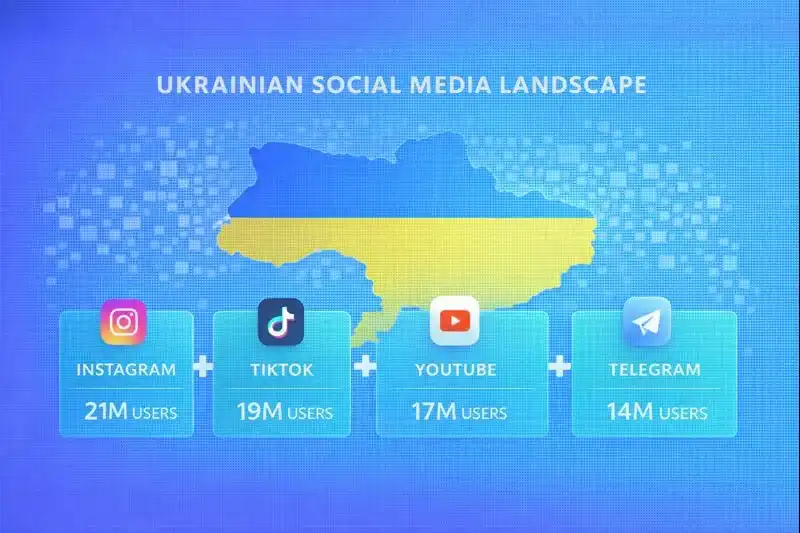
- Instagram – lifestyle, fashion, beauty
- TikTok – impulse purchases
- YouTube – tech, education
- Telegram – niche communities
Long-term Partnerships
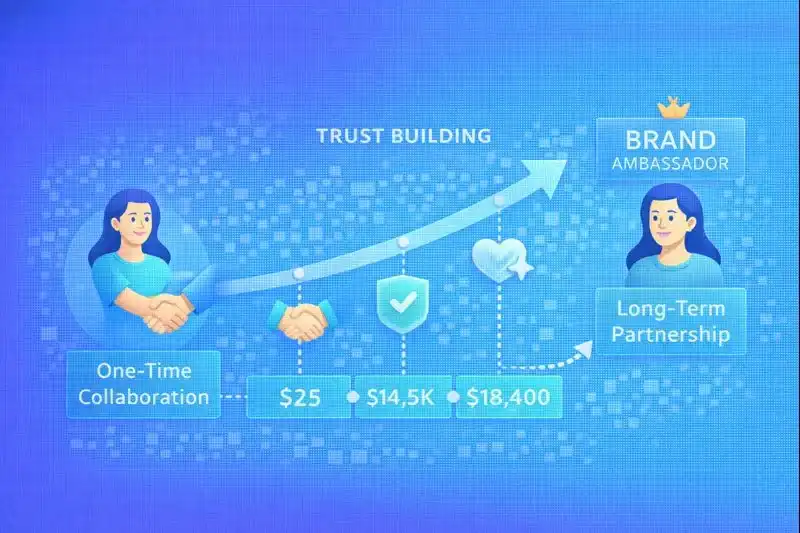
Ambassador programs provide more stable ROI and increase trust.
Common Mistakes
- choosing by follower count
- lack of analytics
- one-time integrations without retention
FAQ
Which format is most effective?
Stories with CTA and promo code.
Is a contract needed?
Yes, always.
Conclusion
Influencer marketing works for e-commerce only as a system: proper selection, honest content, analytics, and long-term relationships. LetsCommerce helps integrate influencer traffic into the store's overall marketing ecosystem.
Related Articles

Ready to start selling?
Launch your online store today with LetsCommerce.