
Introduction
Product returns in e-commerce are traditionally perceived as loss of money, time, and resources. This logic is outdated and counterproductive. Returns are a moment of truth in customer relationships, a critical moment when real brand evaluation forms. Precisely in the moment of frustration, customers evaluate the company most emotionally, and this evaluation becomes the foundation for future relationships.
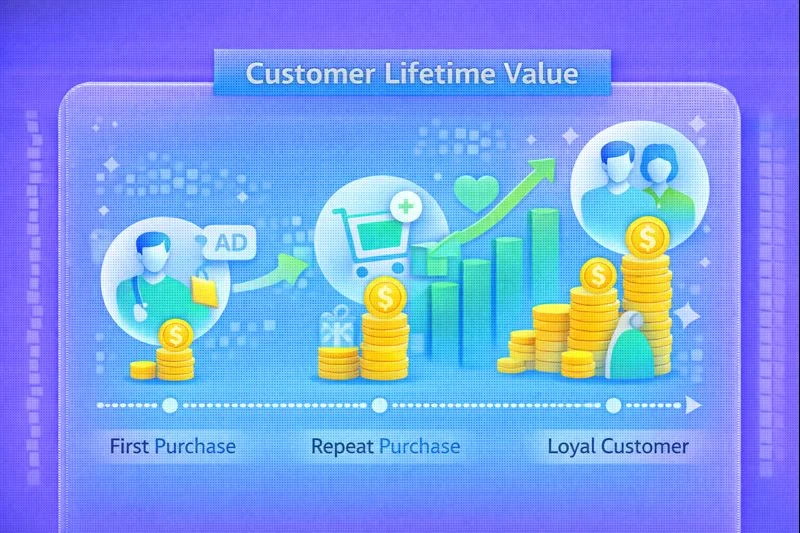
Properly built return experience doesn't just solve a problem – it builds trust, stimulates repeat purchases, and directly impacts Customer Lifetime Value growth. According to retail industry research, 92% of buyers are ready to purchase again from a brand that made returns simple and comfortable, even if the initial purchase didn't meet expectations.
Customer psychology during returns is based on loss of control. The person has already spent money, time waiting, emotionally invested in the purchase – and now must admit something went wrong. Business reaction at this moment either relieves tension and restores trust, or finally destroys brand perception and turns the customer into a detractor.
Return experience directly impacts critical business metrics: Net Promoter Score, organic recommendations, willingness to repurchase. Companies that view returns as customer experience investment instead of costs demonstrate higher retention rates and lifetime value.

Anatomy of the Perfect Return Process
The perfect return process begins long before actual refund – from customer's first contact with return policy on the website. Customer journey includes several critical stages: problem awareness, solution search, brand contact, result expectation, compensation receipt, post-return experience.
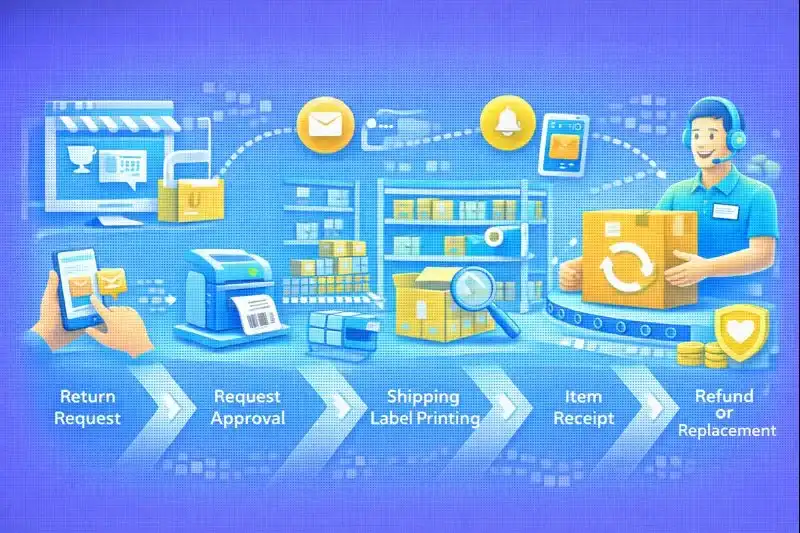
Customer Journey During Return
Customer goes through several psychological phases during return process:
1. Disappointment – moment of realizing product doesn't meet expectations. Emotional state: frustration, annoyance, sometimes feeling deceived.
2. Doubt – customer evaluates whether it's worth trying to return product. "Will it be too complicated?", "Will they refund?", "How long will it take?".
3. Hope – after finding clear return policy or contacting support, hope for fair resolution appears.
4. Service Evaluation – here customer forms final judgment about brand based on speed, empathy, process simplicity.
5. Satisfaction or Final Disappointment – depending on result, customer either becomes brand advocate or is lost forever.
Emotional Touchpoints
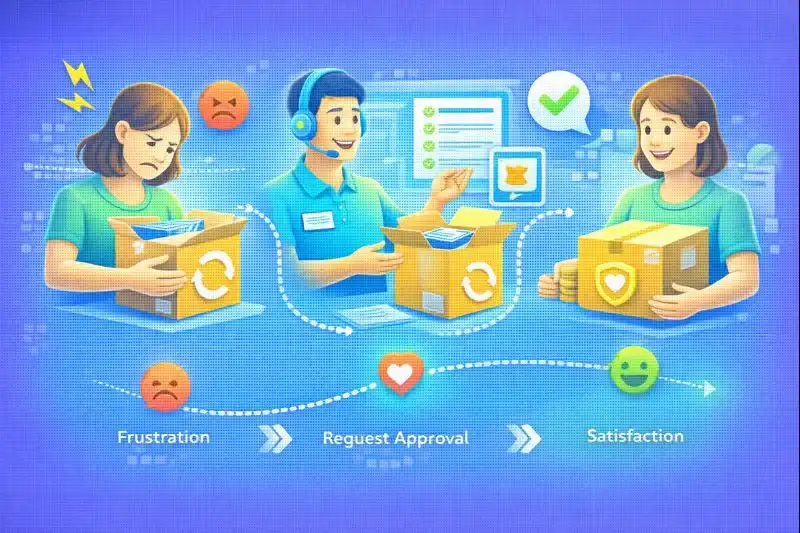
Each process stage contains emotional touchpoints – moments when customer's emotional state sharply changes:
Critical touchpoints:
-
Finding Return Policy Moment
- Easy to find on site?
- Clear terms?
- Customer-centric approach felt?
-
First Support Team Response
- Response speed (< 2 hours standard)
- Communication tone (empathy vs formality)
- Readiness to help vs business defense
-
Return Decision Speed
- Instant approval vs manual review (2+ days)
- Criteria transparency
- Process fairness feeling
-
Communication Tone Throughout Process
- Proactive updates vs need to ask
- Personalization vs template responses
- Problem acknowledgment vs blame shifting
Critical Moments for Building Loyalty
Paradoxically, the return process can become the strongest loyalty driver. Loyalty is formed not by refund fact itself, but by feeling of fairness, customer respect, problem resolution simplicity.
Key Principles:
- Trust over Policy – when gray zone arises, decide in customer's favor
- Speed matters – each hour of delay reduces satisfaction
- Empathy first – customer must feel understood
- Surprise and delight – exceeding expectations (e.g., instant refund without waiting for product return)
Return Policy: Transparency as Foundation of Trust
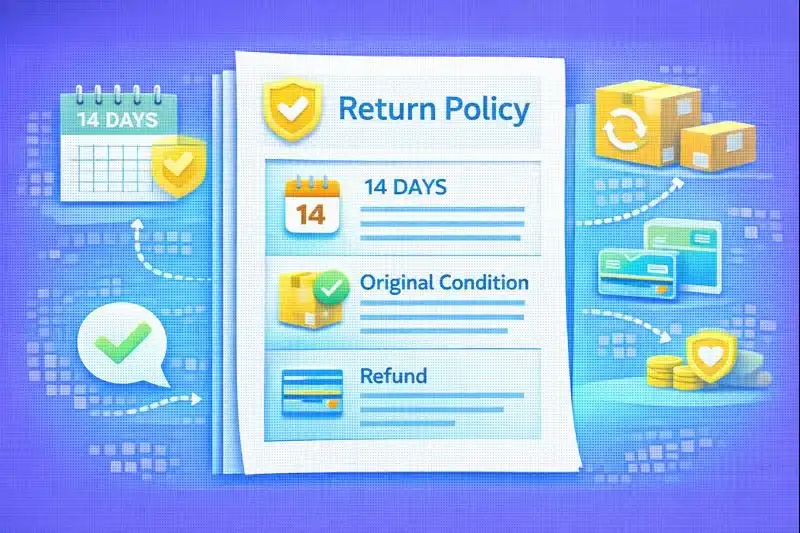
Return policy is a public contract between brand and customer defining relationship framework in case of product problems. Policy quality directly correlates with conversion rate at checkout optimization stage – transparent, customer-friendly policy removes psychological purchase barrier.
Mandatory Policy Elements
1. Return Period
- Clear period (14, 30, 60 days)
- Count from purchase or delivery date
- Exceptions for certain categories (personalized items, intimate hygiene)
2. Product Acceptance Conditions
- Product condition (new packaging, tags, etc.)
- Completeness
- Appearance
- Purchase proof (receipt, invoice)
3. Compensation Methods
- Full refund
- Exchange for another product
- Store credit
- Partial refund (restocking fee if applicable)
4. Process and Logistics
- Who pays return shipping
- How to initiate return
- Review and payment timelines
- Contact information for questions
Formulation Psychology: Positive vs Negative Tone
Policy formulation method is critically important for brand perception. Positive tone relieves tension, negative – amplifies frustration.
Transformation Examples:
| Negative Formulation (Bad) | Positive Formulation (Good) |
|---|---|
| ❌ "Returns possible only with preserved packaging" | ✅ "We gladly accept product in original condition with packaging" |
| ❌ "No returns after 14 days" | ✅ "You have 14 days to ensure product suits you" |
| ❌ "Refund takes up to 14 business days" | ✅ "We'll refund within 7-14 days after receiving product" |
| ❌ "Customer pays return shipping" | ✅ "You can use any convenient shipping service for return" |
Approach Comparison
| Policy Type | Impact on Customer Experience | Business Risks |
|---|---|---|
| Strict | Low trust, higher friction | Low returns cost, but trust loss |
| Flexible | High trust, positive perception | Controlled costs, optimal balance |
| Ultra-Flexible | Maximum trust, conversion +15-25% | Fraud risk, higher logistics costs |
Step-by-Step Return Process
Step 1: Return Initiation
Initiation Channels:
- Self-service return portal (optimal)
- Email request
- Chat or phone
Step 2: Confirmation and Instructions
Customer should receive immediately after request:
- Return authorization number
- Detailed instructions
- Timeline
- Contact information
Step 3: Return Logistics
Return logistics integrates with delivery processes described in Delivery and Logistics article.
Step 4: Product Inspection
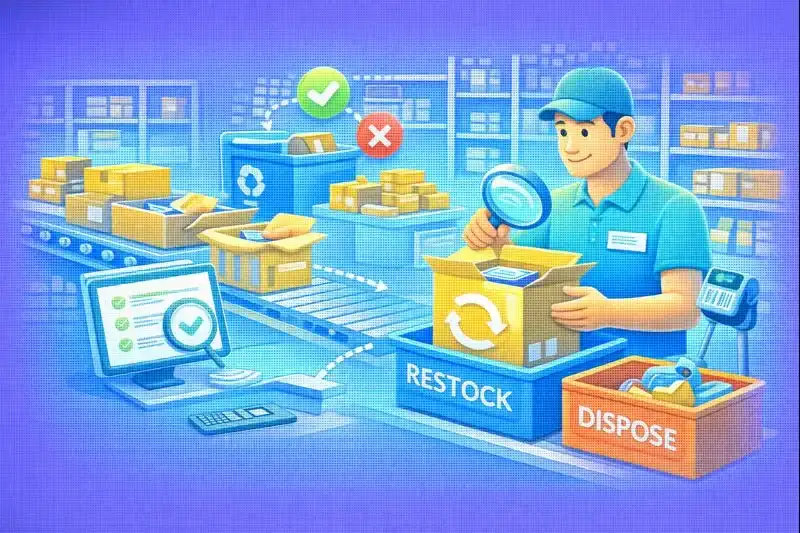
Fast and objective returned product inspection is critical for final customer satisfaction.
Step 5: Refund or Exchange
Compensation Methods Impact:
| Method | Retention Impact | Business Impact | When to Use |
|---|---|---|---|
| Full Refund | Low (15-25% repurchase) | Revenue loss | No alternatives, product defect |
| Exchange | High (60-75% retention) | Revenue preserved | Customer wants different size/color |
| Store Credit | Medium (40-50% retention) | Revenue delayed | Opportunity to add bonus (+10%) |
Step 6: Post-Return Communication
Post-return period is critical for win-back. Email scenarios automation detailed in E-commerce Email Marketing article.
Retention Strategies for Returns
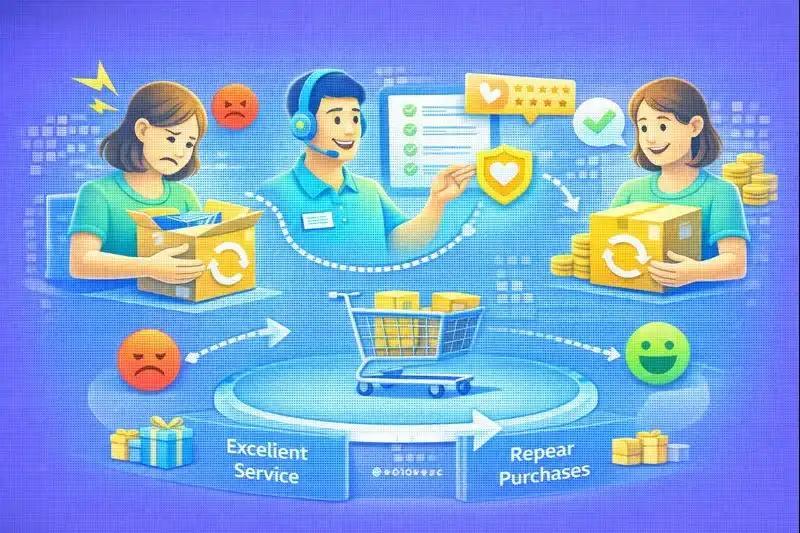
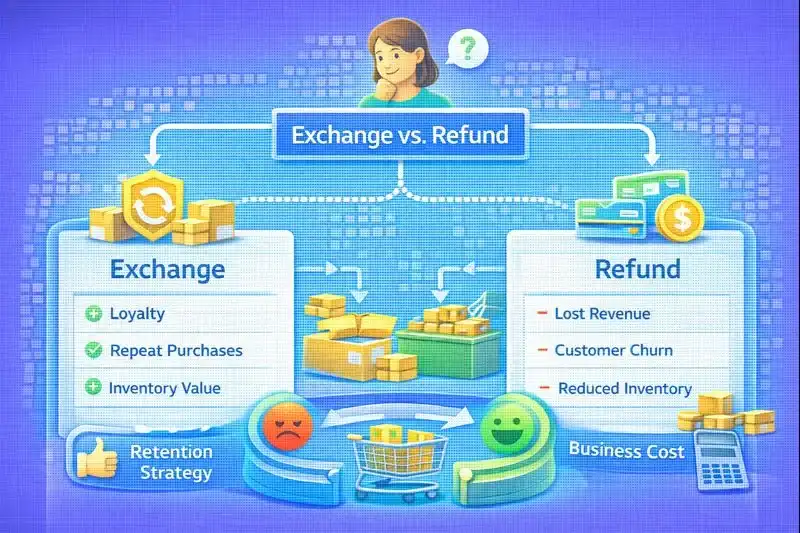
Exchange > Refund
Financial Logic:
Scenario 1: Full Refund
- Revenue: -$50 (loss)
- CAC amortization: -$10 (customer lost)
- Total impact: -$60

Scenario 2: Exchange
- Revenue: $0 (preserved)
- CAC amortization: $0 (customer retained)
- Additional potential: upsell $10
- Total impact: +$10 potential
Store Credit with Bonuses
Store credit allows preserving revenue and stimulating repeat purchase through additional value.
Bonus Structure Examples:
| Return Amount | Store Credit | Bonus | Valid Period |
|---|---|---|---|
| Up to $25 | Full amount | +5% | 60 days |
| $25-$100 | Full amount | +10% | 90 days |
| $100+ | Full amount | +15% | 120 days |
Instant Exchange for Loyal Customers
For customers with purchase history and high LTV, offer instant exchange – new product shipment before old product return.
Personalized Offers Based on Return Reason
| Return Reason | Retention Tactic | Example Offer |
|---|---|---|
| Size didn't fit | Size guide + 10% discount on correct size | "Try size M with 10% off" |
| Description mismatch | Improve photos + $5 credit compensation | "Sorry for inaccuracy. Here's $5 credit" |
| Found cheaper | Price match or exclusive offer | "We'll match price + free shipping" |
| Changed mind | Explore catalog alternatives | "Maybe you'll like these products?" |
| Product defect | Immediate replacement + bonus | "Sorry! New parcel en route + $10 bonus" |
Communication Psychology for Returns
Communication method during returns often more important than compensation fact itself. Empathy-driven approach based on acknowledging customer emotions.
What to Say
"[Name], we sincerely apologize the product didn't meet your expectations. We value your time and trust. We offer immediate refund + $10 bonus for inconvenience. Or we can select alternative from our new collection. What's more convenient?"
What to Avoid
❌ "This is our policy" ❌ "Other customers didn't complain" ❌ "You should have read description more carefully" ❌ "We can't do anything"
Automation vs Human Factor
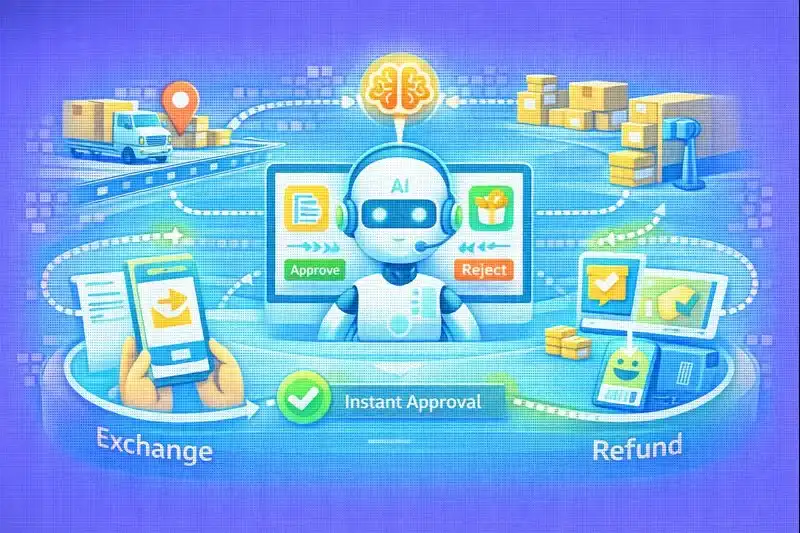
What to Automate
- Approval Process – automatic approval for standard cases
- Shipping Labels – automatic prepaid label generation
- Refund Processing – automatic refund initiation
- Status Updates – email/SMS at each status change
- Data Collection – automatic return reason categorization
Where Human Touch is Critical
- Emotional Situations – angry or upset customer
- Gray Zone Cases – return beyond policy with extenuating circumstances
- VIP Customers – high lifetime value customers
- Complex Logistics – international returns, lost parcels
Returns Analytics
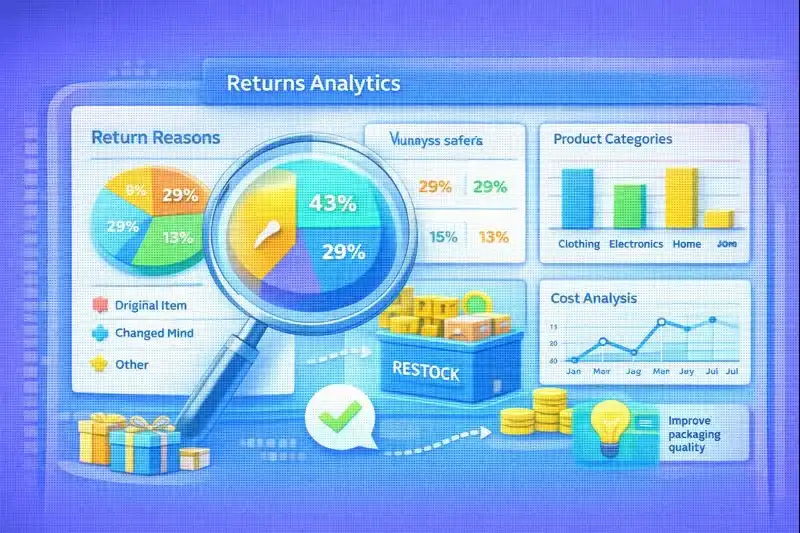
Key Metrics
Return Rate:
Return Rate = (Returned Products / Total Sold) × 100%
Exchange Rate:
Exchange Rate = (Exchanges / Total Returns) × 100%
Customer Retention After Return:
Retention = (Customers Who Purchased Again / Total Returns) × 100%
Cost of Returns:
Cost = (Shipping + Inspection + Restocking + Processing + Lost Sale) × Count
Financial Returns Optimization
Restocking vs Liquidation
Grade A (60-70%): Return to regular inventory at full price Grade B (20-30%): Sell with 15-30% discount as "Open Box" Grade C (5-10%): Liquidation or disposal
Fraud Prevention
Types:
- Wardrobing – purchase for one-time use with subsequent return
- Switch fraud – returning old/broken product instead of purchased
- Receipt fraud – stolen receipts for returning stolen goods
- Chargeback fraud – dispute payment after receiving product AND refund
Prevention:
- Security tags
- Photo documentation
- Return history tracking
- Serial number verification
Returns as Data Source
Returns reveal gap between expectations and reality:
- Description improvements
- Sizing guides
- Product quality
Case Studies
Case 1: Fashion E-commerce
Problem: 28% return rate, 18% retention after returns
Solution:
- 30-day return window
- Free return shipping
- Instant exchange
- Store credit +10% bonus
Results: Return rate 18%, retention 52%, NPS +34
Case 2: Electronics – VIP Instant Exchange
Problem: VIP customers frustrated with 14-day resolution time
Solution: Instant exchange for VIP (ship new before receiving old)
Results: Resolution 2 days, VIP churn 4% (from 12%), spend +22%
FAQ
1. Optimal return period? 30 days optimal for most, 60-90 days for competitive advantage.
2. Who should pay return shipping? Depends on reason: business for defects, negotiable for "changed mind".
3. How to reduce return percentage? Detailed descriptions, quality photos, size guides, realistic expectations.
4. Should you offer free returns? If margins >30%, return rate <25%, conversion lift >15% – yes.
5. How to fight return fraud? Pattern monitoring, security tags, photo documentation, return limits.
6. Exchange vs refund – what's better? Exchange almost always better: preserves revenue and retention.
7. How to handle emotional customers? HEAR method: Hear, Empathize, Apologize, Resolve.
8. What metrics to track? Return rate, exchange rate, retention after return, time to refund, cost per return.
Conclusion
Returns management isn't about minimizing costs – it's about maximizing long-term customer relationship value. Companies viewing returns as customer experience investment instead of necessary evil build sustainable competitive advantage.
Key Success Principles:
- Empathy First – understand emotional state
- Transparency – clear policies, predictable outcomes
- Speed – every hour of delay reduces satisfaction
- Flexibility – different solutions for different situations
- Data-Driven – use returns as insights source
- Balance – between happiness and sustainability
LetsCommerce Platform:
LetsCommerce platform provides comprehensive returns management tools:
- Return portal with automated approval
- Logistics integration
- Analytics dashboard
- Automated workflows
- Fraud detection
- Customer segmentation
Properly configured returns system pays off through higher retention, Customer Lifetime Value growth, and sustainable business development.
Related Articles
- Customer Lifetime Value – how returns impact long-term customer value and why retention after return is critical
- E-commerce Email Marketing – automated email scenarios for returns management and win-back campaigns
- Delivery and Logistics – return logistics, carrier integration, cost optimization
- Checkout Optimization – how transparent return policy at checkout reduces friction and increases conversion