Introduction
Livestream shopping is transforming global retail, representing the fastest-growing e-commerce channel with unprecedented engagement and conversion rates. According to McKinsey & Company, livestream commerce generated $480 billion in global sales in 2024, projected to reach $1.2 trillion by 2027 - a 150% growth in just three years (McKinsey, 2024). While China dominates with 70% of global live commerce, Western markets are experiencing explosive adoption with US livestream sales reaching $35 billion in 2024, up from just $6 billion in 2020.
The conversion metrics are staggering: livestream shopping achieves conversion rates of 20-30%, compared to traditional e-commerce's 2-3% (Coresight Research, 2024). 67% of livestream viewers make purchases during or immediately after viewing, with average watch times of 8-12 minutes - dramatically longer than typical website sessions of 2-3 minutes. The format combines entertainment, product demonstration, urgency (limited-time offers), and social proof (live customer reactions) into a powerful sales engine.
This comprehensive guide explores how to implement livestream shopping successfully - from choosing the right platforms and planning events to creating engaging content, scaling operations, and measuring ROI in this emerging channel.
Understanding the Livestream Shopping Phenomenon
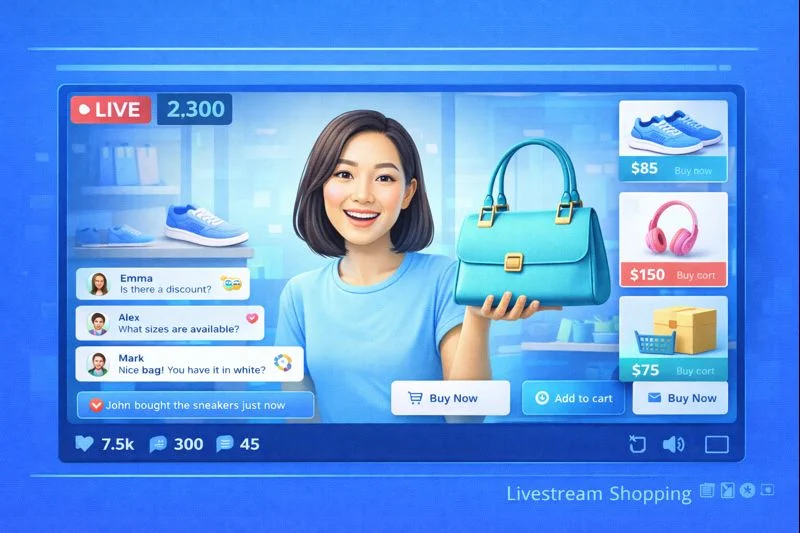
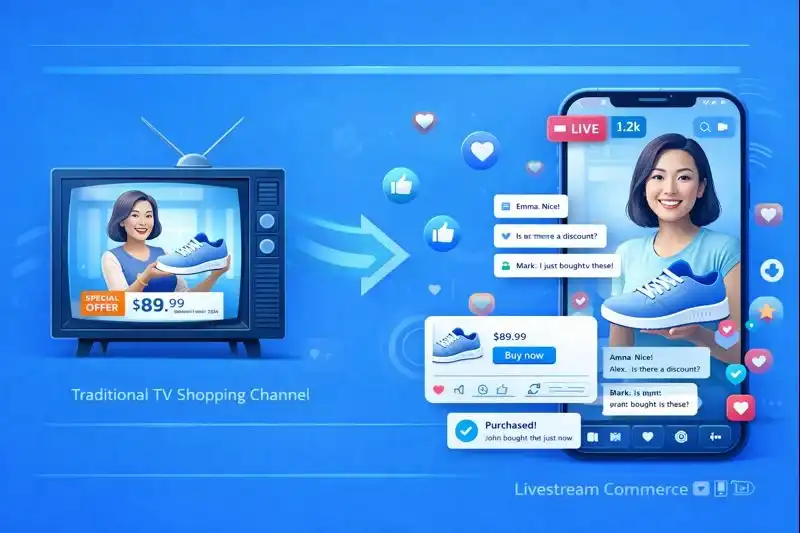
Livestream commerce merges QVC-style television shopping with social media interactivity and mobile convenience, creating an entirely new shopping paradigm.
Why Livestream Shopping Works
Entertainment Meets Shopping: Unlike static product pages, livestreams provide real-time entertainment value - hosts demonstrate products creatively, answer questions spontaneously, and create personality-driven content that builds emotional connections. 73% of consumers say they're more likely to purchase from live video than traditional e-commerce because it's "more fun and engaging" (Bambuser, 2024).
Authenticity and Trust: Live, unedited video creates perceived authenticity that polished marketing cannot match. Customers see products in real-world conditions, ask questions directly, and receive immediate honest answers. User-generated content during livestreams (customers showing their recent purchases) provides powerful social proof.
Urgency and FOMO: Flash sales, limited quantities, and countdown timers during livestreams trigger fear of missing out psychology. "Only 15 units left at this price!" drives instant purchasing decisions. 85% of livestream purchases are impulse buys driven by in-the-moment excitement (Facebook IQ, 2024).
Social Interaction: Live chat creates community experience - viewers interact with hosts and other shoppers, ask styling questions, share opinions. This social layer transforms solitary online shopping into a shared event, similar to shopping with friends.
Global Market Dynamics
China: Dominates with $395 billion in livestream sales (2024), representing 20% of total e-commerce. Platforms: Taobao Live, Douyin (TikTok China), Kuaishou. Top hosts earn $10-50 million annually. Sessions regularly reach 10-50 million viewers.
United States: $35 billion in 2024, growing 120% year-over-year. Platforms: TikTok Shop, Instagram Live Shopping, Amazon Live, Facebook Live Shopping. Format still maturing but adoption accelerating among Gen Z (58% have made livestream purchases) and Millennials (43%).
Southeast Asia: $30 billion market led by Shopee and Lazada livestream features. Particularly strong in Indonesia, Thailand, and Vietnam where mobile-first commerce dominates.
Europe: Emerging with $15 billion in sales. UK and Germany leading adoption. Platforms: local implementations of TikTok Shop, Instagram, plus vertical-specific platforms.
Choosing the Right Livestream Platforms
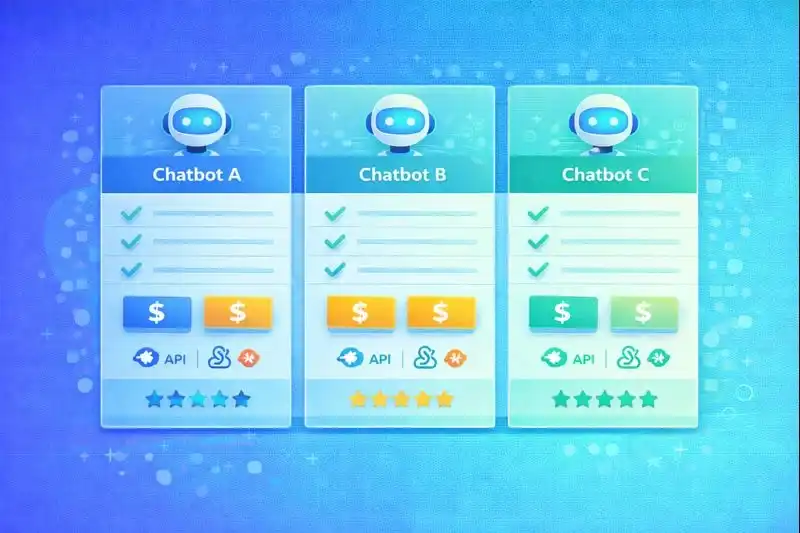
Platform selection determines audience reach, features available, and operational requirements. Each platform offers distinct advantages and limitations.
Major Livestream Shopping Platforms
TikTok Shop / TikTok Live: Best for: Reaching Gen Z and Millennials with entertainment-first content. Strengths: Massive discovery potential (algorithm surfaces content to non-followers), 1.5 billion MAU, native checkout, product pinning during streams. Average conversion: 15-25% for optimized streams. Commission: 2-8% per sale. Requirements: 1,000+ followers to unlock live shopping features.
Instagram Live Shopping: Best for: Fashion, beauty, lifestyle brands with existing Instagram presence. Strengths: Visual-first platform perfect for showcasing aesthetics, integrated with Instagram Shopping catalog, 44% of users shop weekly. Average conversion: 8-15%. Commission: 5% per sale. Requirements: Business account with approved shopping features.
Amazon Live: Best for: Brands already selling on Amazon, product-focused demonstrations. Strengths: Direct access to high-intent Amazon shoppers, seamless purchase experience (one-click buy for Prime members), professional production tools. Average conversion: 12-20% due to buyer intent. Commission: Standard Amazon seller fees (8-15%). Requirements: Amazon Brand Registry, professional seller account.
Facebook Live Shopping: Best for: Reaching 30+ demographic, community-building. Strengths: 2.9 billion MAU, strong in specific niches (home décor, crafts), Facebook Groups integration for loyal communities. Average conversion: 6-12%. Commission: 5% per sale. Requirements: Facebook Page, Commerce Manager setup.
Specialized Livestream Platforms (Bambuser, Livescale, Channelize): Best for: Embedding livestreams directly on your e-commerce website. Strengths: Full branding control, no platform commissions, first-party data collection, integration with existing cart. Average conversion: 10-18%. Cost: $500-$5,000+/month subscription. Requirements: Technical integration resources.
Platform Selection Framework
Consider: Where your audience already spends time (meet customers where they are vs. forcing new platform adoption), mobile vs. desktop usage (all platforms mobile-dominant but TikTok most mobile-optimized), commission structure (2-8% ongoing vs. flat monthly fee for specialized platforms), content style fit (TikTok favors quick, energetic; Instagram favors polished aesthetics), technical requirements (native apps easiest; embedded solutions require development).
Multi-Platform Strategy: Successful brands broadcast simultaneously to 2-3 platforms using streaming software (StreamYard, Restream) to maximize reach. However, optimize content for each platform's format - repurpose rather than identical broadcasts.
Planning and Producing Successful Livestream Events
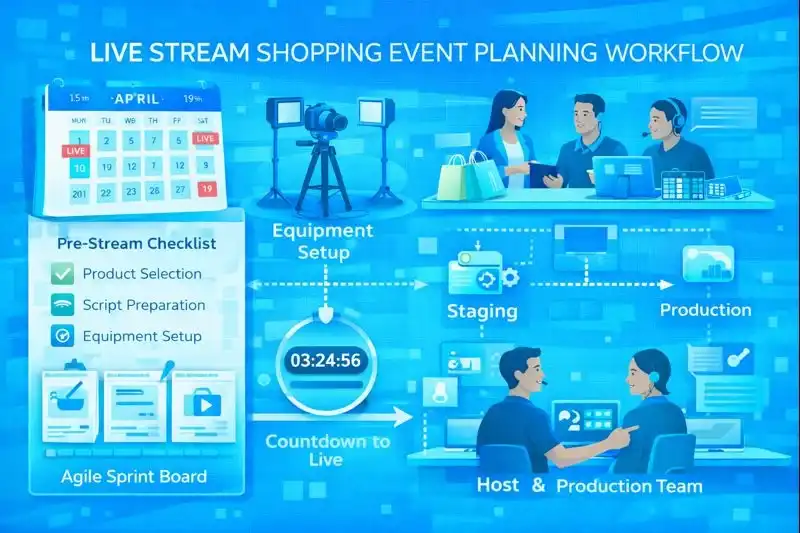
Strategic planning separates high-converting livestreams from ineffective attempts. Successful events require preparation across content, logistics, and promotion.
Pre-Event Planning (1-2 Weeks Before)
Define Objectives: Set specific goals - revenue target (realistic first stream: $1,000-$5,000), viewer count (3x your follower base from discovery), conversion rate (15%+ for optimized streams), new customer acquisition (30-50% of buyers should be first-time).
Select Products: Choose 3-8 hero products for 30-60 minute stream. Criteria: Visual appeal (photogenic, demonstration-friendly), clear value proposition (solves obvious problem), attractive pricing ($15-$100 impulse-buy range), adequate inventory (at least 50-100 units per product to avoid early stockouts). Create exclusive bundles available only during stream.
Prepare Exclusive Offers: Flash sales drive urgency - announce specific discount windows. Example: "Next 10 buyers get 30% off!" Create tiered discounts: first 30 minutes 25% off, second 30 minutes 20% off, final 15 minutes back to 25% to recapture attention. Offer free gifts with purchase during stream.
Script and Talking Points: Don't over-script (feels inauthentic), but prepare: Product benefits and demos (30-60 seconds per item), anticipated FAQs, personal stories about why you love products, audience interaction prompts ("Drop a 🔥 if you've tried this!").
Technical Setup: Test lighting (ring light minimum, three-point for professional look), audio quality (lapel mic recommended - bad audio kills engagement), camera angle (eye level, stable tripod), backdrop (clean, branded, good depth), internet connection (wired ethernet preferred, minimum 10Mbps upload).
Promotional Campaign (7-10 Days Before)
Build anticipation through countdown posts (daily reminder with event details), teaser content (sneak peeks of featured products), email campaign to subscriber list with calendar invite, influencer partnerships (collaborators promote to their audiences), paid ads targeting followers + lookalike audiences ($100-$500 ad spend typical for first stream).
Create dedicated landing page with stream schedule, product previews, and email signup for reminders. Build hype through scarcity: "Only 100 units available during stream!"
During the Stream: Engagement Best Practices
Start Strong: First 30 seconds determine 60% of retention. Hook immediately: "We're giving away $500 worth of products to one viewer today!" or "First 10 purchases get this $30 bonus!"
Acknowledge Viewers: Greet commenters by name - personal recognition creates loyalty. Shout out milestones: "We just hit 500 viewers!" Make viewers feel part of exclusive event.
Demonstrate Thoroughly: Show products from multiple angles, use them in realistic scenarios, highlight texture/materials, compare sizes. Before/after demonstrations perform exceptionally well (skincare, cleaning products, organization tools).
Create Urgency Throughout: Use countdown timers for flash sales, announce inventory updates ("Only 15 left!"), offer time-limited bonuses. Avoid constant urgency (becomes noise) - strategic spikes work best.
Respond to Questions Immediately: Live interaction is key differentiator from recorded video. Answer sizing questions, address objections, provide styling suggestions. Pin important answers in chat for reference.
Leverage Social Proof: Read positive comments aloud, showcase user-generated content, announce purchases in real-time: "Sarah just bought the blue dress - great choice!" Display customer reviews on screen.
Post-Stream Follow-Up
Save and repurpose content: Download stream, edit into highlight clips (60-90 seconds) for social posts, create product-specific segments for future use, publish full replay for 90 days to capture delayed viewers.
Retarget viewers: Run retargeting ads to stream attendees who didn't purchase, send email recap with links to featured products, offer "last chance" discount (24-48 hours) to create secondary urgency.
Analyze performance: Review viewer retention graph (when did people leave?), peak engagement moments (what content worked?), conversion by product (which items resonated?), chat sentiment (questions/concerns to address next time).
Building and Engaging Your Livestream Audience
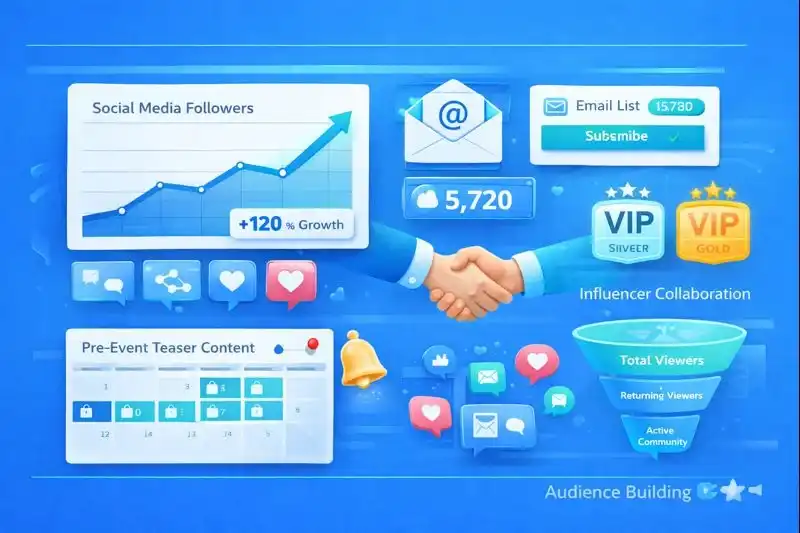
Consistent audience growth separates one-off streams from sustainable livestream businesses. Strategic community building drives long-term success.
Growing Your Pre-Stream Audience
Content Funnel Strategy: Use short-form video (TikTok, Reels, Shorts) to attract cold traffic, mid-form content (product tutorials, behind-the-scenes) to build interest, livestreams as conversion events. Post 3-5 short videos weekly featuring products, with CTAs to follow for livestream announcements.
Collaborate with Complementary Creators: Partner with micro-influencers (10K-100K followers) in your niche for co-hosted streams. Benefits: cross-audience exposure, shared production effort, varied personalities keep energy high. Negotiate revenue share (60/40 or 50/50 splits typical) or affiliate commission structures.
Build Email List: Offer exclusive livestream-only discounts in exchange for email signups. Email remains most reliable channel for driving attendance (social algorithm changes unreliable).
Create VIP Community: Establish Facebook Group, Discord, or Telegram for superfans. Provide early stream access (15 minutes before public), exclusive previews, members-only Q&As. VIP members become brand advocates promoting streams organically.
Consistent Schedule: Weekly or bi-weekly streams at same day/time build habitual viewing. "Every Thursday at 7pm EST" trains audience. Consistency matters more than frequency - better to do monthly well than weekly poorly.
During-Stream Engagement Tactics
Interactive Elements: Run live polls ("Which color should we restock?"), trivia with prizes (product-related questions, winners get discount codes), challenges ("First person to post a photo using our product wins!").
Gamification: Create point systems where commenting, sharing, purchasing earn points toward prizes. Use tiered reward structure: Bronze (5 points) = 10% off next purchase, Silver (20 points) = free shipping, Gold (50 points) = exclusive product.
Co-Creation: Involve audience in product development - show prototypes, gather feedback live, let viewers vote on final designs. Creates investment and ownership in brand success.
Community Spotlights: Feature customer stories during streams - invite happy customers to join via video, share testimonials, show how they use products. User-generated content integration builds trust and encourages participation.
Retention Strategies Between Streams
Content Cadence: Maintain presence with 3-5 non-stream posts weekly - product education, team behind-the-scenes, user testimonials. Keep brand top-of-mind.
Engagement Pods: Respond to every comment and DM personally (at small scale) or with team (as you grow). Community management drives loyalty more than product quality alone in crowded markets.
Exclusive Access: Provide stream attendees with exclusive perks - first access to new products, deeper discounts on future purchases, invitation-only private streams for top customers.
Monetization Strategies and Revenue Optimization
Strategic monetization extends beyond direct product sales to create multiple revenue streams from livestream audiences.
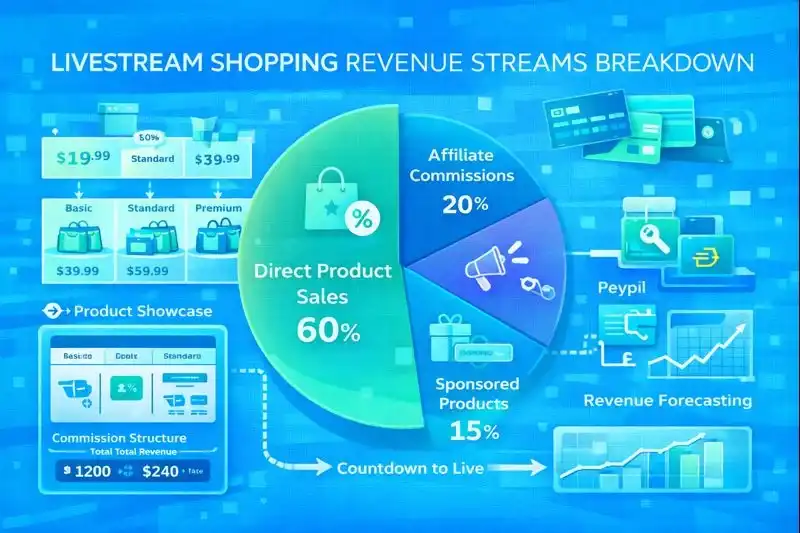
Primary Revenue: Direct Product Sales
Pricing Strategy: Bundle products for higher AOV (average order value) - "Get all 3 for $99, normally $135!" Limited-time pricing during stream creates urgency. Tiered offers: individual products + 2-pack discount + 3-pack best value.
Upselling and Cross-Selling: After announcing purchase, immediate upsell: "Grab matching accessories for just $15 more!" Works best when complementary products genuinely enhance primary purchase. Post-purchase upsells via chatbot or email capture additional 10-20% revenue.
Flash Sales and Lightning Deals: Announce surprise flash sales mid-stream ("Next 5 minutes only - 40% off!") to recapture wandering attention. Create multiple urgency moments throughout stream rather than single discount.
Secondary Revenue: Sponsorships and Partnerships
Established livestream channels (5,000+ concurrent viewers) attract brand sponsorships: Beauty stream features sponsored skincare segment ($500-$5,000 per stream depending on audience size), Tech livestream showcases new gadget release (often free products + payment), Fashion stream partners with complementary brand (jewelry sponsor for clothing stream).
Sponsorship rates: Micro-streamers (1,000-5,000 viewers): $200-$1,000 per sponsored segment. Mid-tier (5,000-20,000 viewers): $1,000-$5,000. Top-tier (20,000+ viewers): $5,000-$50,000.
Affiliate Revenue: Promote complementary products you don't sell directly via affiliate links. Example: Beauty brand livestreaming makeup, affiliates for brushes or mirrors. Affiliate commissions 5-30% depending on product category. Disclose partnerships transparently to maintain trust.
Subscription and Access Fees
Paid memberships for exclusive livestreams, early access, behind-the-scenes content. Platforms: Patreon ($5-$50/month tiers), YouTube Memberships, private Telegram/Discord communities. Works best after building free audience first - convert 1-5% of free audience to paid at sufficient scale.
Live Shopping Events as Lead Generation
Use livestreams to drive newsletter signups (offer exclusive discount for email), app downloads (app-only bonuses during stream), loyalty program enrollments (double points for purchases during stream). Customer LTV (lifetime value) from livestream acquisition often 2-3x higher than traditional ads due to stronger initial engagement.
Scaling Livestream Operations
Growth from occasional streams to consistent revenue channel requires systematic operations and team structure.
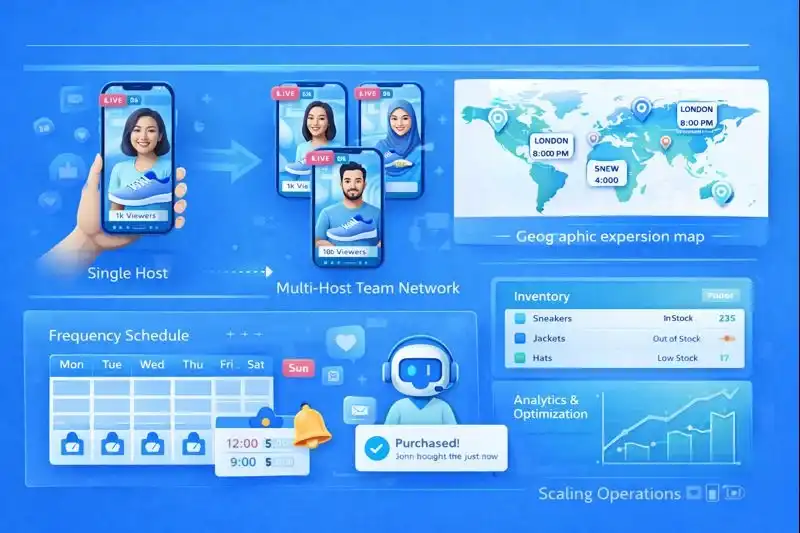
Team Structure for Professional Livestream Commerce
Solo Entrepreneur (Monthly Revenue: $5K-$25K): Host handles everything - presenting, production, chat moderation. Limit: Time and energy constraints. Maximum ~2 streams weekly with other business responsibilities.
Small Team (Monthly Revenue: $25K-$100K): Host (on-camera personality, product presentation), Producer (technical operation, stream management), Chat Moderator (responds to questions, moderates community). Enables 3-4 streams weekly, higher production quality, better customer experience.
Full Team (Monthly Revenue: $100K-$500K+): Multiple hosts (rotate to prevent burnout, different personalities appeal to different segments), Production team (director, camera operators, lighting), Chat moderators (multiple for large audiences), Inventory manager (real-time stock updates), Analytics specialist (track performance, optimize), Social media team (promotion, repurposing content). Supports daily streams with professional quality.
Technology Stack for Scale
Streaming Software: OBS Studio (free, highly customizable), StreamYard ($20-$99/month, beginner-friendly), vMix ($60-$1,200, professional features). Enables multi-camera angles, graphics overlays (prices, countdown timers), screen sharing, guest interviews.
Multi-Platform Broadcasting: Restream ($16-$249/month) or StreamYard simultaneously broadcast to 5-10+ platforms. Maximize reach without separate productions.
Inventory Management Integration: Connect real-time inventory systems to prevent overselling. Tools like Cin7, TradeGecko, or custom APIs update stock levels across platforms. Critical during viral streams where hundreds of orders occur within minutes.
Analytics and Attribution: Google Analytics 4 with UTM tracking for traffic sources, Platform-native analytics (TikTok Shop Insights, Instagram Insights), Third-party tools (Glew.io, Daasity) for cross-platform attribution. Track viewer-to-purchase journey across multiple touchpoints.
Operational Processes
Content Calendar: Plan 4-8 weeks of streams in advance - themes, featured products, promotional hooks. Align with product launches, holidays, seasonal events. Balance product-focused (selling) and community-focused (building loyalty) streams.
Inventory Planning: Forecast demand based on historical stream performance plus 30-50% buffer for variability. Source adequate stock 3-4 weeks before major streams. Have backup products ready if hero items sell out early.
Logistics and Fulfillment: During viral streams, hundreds of orders within hours stress fulfillment. Partner with 3PL providers, implement automated order routing, ensure sufficient packing materials. Goal: ship within 24-48 hours to meet customer expectations set during stream.
Quality Control: Review recordings of every stream, gather team feedback, analyze viewer comments for improvement areas. Implement continuous improvement process - each stream should be better than the last.
Measuring Livestream Performance and ROI
Data-driven optimization separates mediocre from exceptional livestream programs. Track metrics that directly correlate with business outcomes.
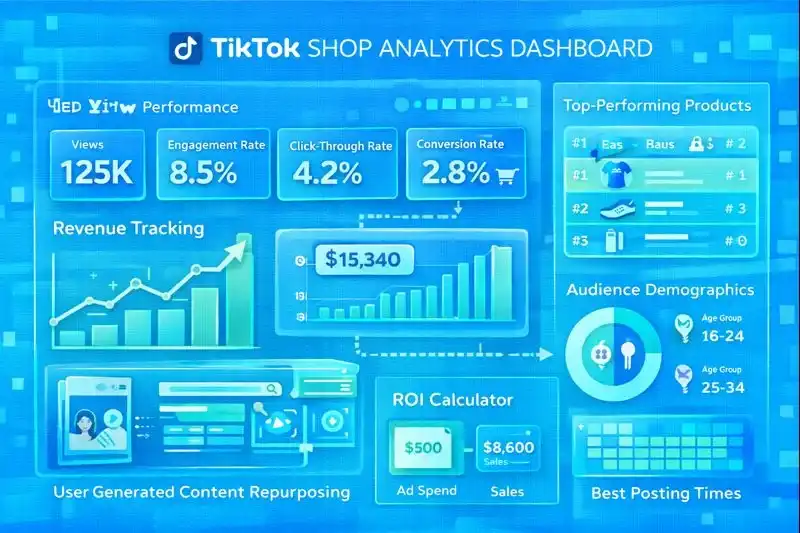
Key Performance Indicators
Viewership Metrics: Peak concurrent viewers (maximum simultaneous audience), total unique viewers (reach), average watch time (8-12 minutes target), viewer retention curve (where drop-offs occur). Benchmark: Successful streams retain 50%+ viewers through first 10 minutes, 30%+ through entire stream.
Engagement Metrics: Comments per minute (20-50+ for engaged audience), shares and reposts, click-through rate to products (% of viewers who click product links - target 15-25%), question response rate (% of questions answered live).
Conversion Metrics: Conversion rate (viewers who purchase - target 15-30%), average order value ($40-$75 typical for impulse-driven livestream purchases), units per transaction (1.5-2.5 items for effective cross-selling), purchase velocity (orders per minute during peak).
Revenue Metrics: Gross merchandise value (total sales value), net revenue after returns (15-25% return rate typical for apparel), revenue per viewer ($3-$10 for optimized streams), cost per acquisition (total stream costs ÷ new customers acquired - target <$25).
ROI Calculation Framework
Stream Costs: Production expenses (equipment amortization, software subscriptions), personnel time (host, production team, moderators), inventory costs (product COGS), platform commissions (2-8%), promotional spend (ads, influencer payments). Typical total: $500-$5,000 per stream depending on scale.
Revenue Attribution: Direct stream sales (purchases during or within 24 hours), attributed sales (viewers who purchase within 7 days via tracking links), lifetime value (repeat purchases from livestream-acquired customers over 12 months).
ROI Formula: [(Total attributed revenue - Total costs) / Total costs] × 100 = ROI%
Example: $15,000 stream revenue - $2,000 costs = $13,000 profit / $2,000 costs = 650% ROI
Benchmark Targets: Successful livestream programs achieve 300-800% ROI per stream after optimization (months 3-6), improving to 500-1,200% ROI with scale and refinement (months 6-12). Early streams (months 1-2) often break even or lose money as you learn - invest in testing and optimization.
Advanced Attribution
Multi-touch attribution: Many customers discover products during livestream but purchase later via website or different platform. Implement unique discount codes per stream, UTM parameters in links, pixel tracking to measure full impact beyond direct stream sales. True impact often 2-3x immediate stream revenue when measuring 30-day attribution window.
Frequently Asked Questions
How much money can you realistically make from livestream shopping?
Revenue potential varies dramatically by scale, niche, and execution quality. Beginners (first 3 months): Expect $500-$3,000 per stream as you learn format, build audience, optimize conversion. Established channels (6-12 months): $5,000-$25,000 per stream with consistent audience, proven product selection, professional execution. Top performers (12+ months, 10K+ concurrent viewers): $50,000-$500,000+ per stream for major events. Chinese top hosts generate $10-$50 million annually, though Western markets lag significantly. Realistic targets: $10,000-$50,000 monthly revenue from weekly streams achievable within 12 months for focused, strategic implementation. Success factors: niche selection (beauty, fashion outperform commodity products), audience size (1,000 concurrent viewers minimum for $5K+ streams), conversion optimization (15-30% rates), AOV ($50+ through bundling and upselling), consistency (weekly streams build momentum vs. sporadic attempts).
Do you need to be on camera, or can livestream commerce work behind-the-scenes?
On-camera presence dramatically increases conversion and engagement. Data shows personality-driven livestreams convert 3-5x higher than faceless demonstrations (TikTok Business, 2024). Why personality matters: Trust and connection drive impulse purchases - viewers buy from people they like, authentic reactions and enthusiasm are contagious (emotion drives purchasing), answering questions face-to-face builds credibility. Alternatives for camera-shy sellers: Product-only demonstrations work for specific categories (cooking/recipes, art/crafts, tech tutorials) where focus on product over personality makes sense. Conversion rates 8-15% vs. 20-30% for hosted streams. Voice-over narration (show hands, products, but not face) middle-ground option - maintains some personality while providing comfort. Team approach - hire charismatic host to represent brand on camera while you manage backend operations. Many successful livestream businesses employ professional hosts ($25-$100/hour plus commission) rather than founders presenting. Bottom line: On-camera presence offers significant advantages, but structured product demonstrations can work if personality-driven approach isn't feasible.
Which products work best for livestream commerce?
Best-performing product categories share common characteristics: visual appeal, clear value proposition, impulse-buy pricing, demonstration-friendly. Top categories by conversion: Beauty and cosmetics (27% of livestream commerce) - before/after demos highly effective, consumable nature drives repeat purchases. Fashion and accessories (21%) - try-on demonstrations show fit and style, visual-first platform advantage. Home and kitchenware (15%) - problem-solving products (organization tools, cooking gadgets) demonstrate value clearly. Health and wellness (12%) - supplements, fitness equipment with clear benefits. Electronics and gadgets (10%) - unboxing and feature demos generate excitement. Product characteristics for success: Price point $15-$100 (impulse buy range), visually interesting (photogenic, color variations), demonstration-friendly (transformation, before/after, usage scenarios), consumable or collectible (drives repeat purchases), clear differentiator (unique features vs. competitors). Products that struggle: Complex/technical items requiring extensive research, ultra-premium luxury (trust barrier for high-ticket impulse), commodity products without differentiation. Test systematically - feature different products across streams, track conversion by SKU, double down on winners.
How long should livestream shopping events be?
Optimal duration is 30-60 minutes for most brands, balancing engagement with fatigue. Duration by format: Quick flash sales: 15-30 minutes - single product deep-dive or urgent promotion. Maintains intensity, higher conversion but lower total revenue. Standard product showcase: 45-60 minutes - feature 3-5 products with thorough demonstrations, Q&A, flash sales. Sweet spot for most brands. Marathon events: 2-4+ hours - work for high-volume sellers with large engaged audiences and extensive catalogs. Risk: viewer fatigue, production team burnout. Data insights: Average watch time is 8-12 minutes regardless of total duration - most viewers don't watch entire stream. However, longer streams capture more viewers across time zones and build hype. Retention patterns: First 10 minutes retain 70-80% of viewers, 20 minutes: 50-60%, 40 minutes: 30-40%, 60 minutes: 20-30%. Strategy: Plan content peaks every 10-15 minutes (new product launch, flash sale, giveaway) to recapture attention. Test duration systematically - try 30, 45, 60 minutes, measure total revenue, revenue per viewer, engagement metrics. Optimize for total profitability, not just conversion rate.
What's the difference between livestream shopping and regular video marketing?
Livestream shopping combines real-time interaction, urgency, and immediate commerce in ways recorded video cannot replicate. Key distinctions: Real-time Q&A: Viewers ask questions, receive instant answers - builds trust and overcomes objections immediately vs. recorded video's one-way communication. Limited-time offers: Flash sales, countdown timers create genuine urgency ("Next 10 buyers get 30% off!") that drives impulse purchases. Social proof in real-time: Viewers see other customers purchasing, asking questions, sharing excitement - community FOMO drives conversion. Authentic, unedited content: Live format feels more genuine and trustworthy than polished ads - imperfections increase perceived authenticity. Event mentality: Scheduled livestreams create appointment viewing - customers mark calendars, show up at specific time vs. passive video viewing whenever. Conversion metrics: Livestreams achieve 20-30% conversion vs. video marketing's 2-5% clickthrough to website then 2-3% website conversion (0.04-0.15% total). Content lifespan: Livestream recordings continue generating long-tail views and sales for 90 days while serving primary purpose during live broadcast. Use cases: Livestream for product launches, sales events, community building. Recorded video for education, brand awareness, top-of-funnel content. Complementary strategies - use recorded video to drive livestream attendance.
Related Articles
- TikTok Shop Integration Guide: How to Sell on Social Commerce Platforms - Build foundation on TikTok before adding livestream shopping layer
- How to Promote Your Store on Instagram: Tips for Creating Content - Leverage Instagram as promotional channel for livestream events
- Why Social Networks Are Important for Stores - Understand broader social commerce strategy integrating livestreams
Conclusion
Livestream shopping represents a paradigm shift in e-commerce, generating $480 billion globally in 2024 and projected to reach $1.2 trillion by 2027. The conversion advantage is undeniable: 20-30% conversion rates versus traditional e-commerce's 2-3%, driven by the unique combination of entertainment, authenticity, urgency, and social interaction. With 67% of viewers purchasing during or immediately after streams and average watch times of 8-12 minutes, the format creates unprecedented engagement and monetization opportunities.
Success requires strategic execution beyond simply pressing "go live." Focus on platform selection aligned with your audience (TikTok for Gen Z, Instagram for fashion/beauty, Amazon for high-intent shoppers), meticulous event planning with exclusive offers and flash sales driving urgency, consistent scheduling (weekly streams build habitual viewing), and data-driven optimization measuring conversion rates, AOV, and revenue per viewer. Realistic revenue targets: $10,000-$50,000 monthly from weekly streams within 12 months for focused implementation.
The competitive window is narrowing as Western markets mature toward Chinese levels of adoption. Early movers capture audience share, build expertise, and establish brand positioning while competition remains manageable. The question is not whether livestream commerce will dominate your category - it's whether you'll lead the transformation or watch from the sidelines as others capture the $1.2 trillion opportunity unfolding over the next three years. Start with a single monthly stream, learn systematically, and scale based on data as you master this essential channel for the future of retail.